I Tested 7 Beginner Cleats: The Nike Premier 3 Won
The best football cleats for beginners are comfortable, properly fitted boots matched to the playing surface, not necessarily the most expensive model. For 2026, Nike Premier 3, Nike Mercurial Vapor 1...

I Tested 7 Beginner Cleats: The Nike Premier 3 Won
The best football cleats for beginners are comfortable, properly fitted boots matched to the playing surface, not necessarily the most expensive model. For 2026, Nike Premier 3, Nike Mercurial Vapor 16 Academy, adidas Copa Pure 3 League, Puma Future 8 Play, and New Balance Furon Dispatch are strong starting points for grass and artificial turf players. Expect beginner-friendly prices of roughly $60–$150, while premium versions can exceed $250. Firm-ground (FG) boots suit natural grass, artificial-ground (AG) boots protect traction on synthetic fields, and indoor shoes have flat soles. A secure heel, modest toe room, flexible upper, and dependable stud layout matter more than speed-focused marketing. I tested seven commonly available models across fit, traction, ball feel, durability, and break-in comfort. Start by confirming your field surface and measuring both feet in match socks before choosing a pair.
I bought my first pair after trusting a suspicious discount site, and yes, the boots arrived looking like plastic sandwiches. Since then, I check the surface label, return policy, size chart, and seller before spending anything. For this test, I wore seven beginner football cleats across natural grass, artificial turf, and short practice sessions, recording pressure points, heel movement, traction, and cleaning time. The boring checks matter most, especially when your feet are still learning what football demands.
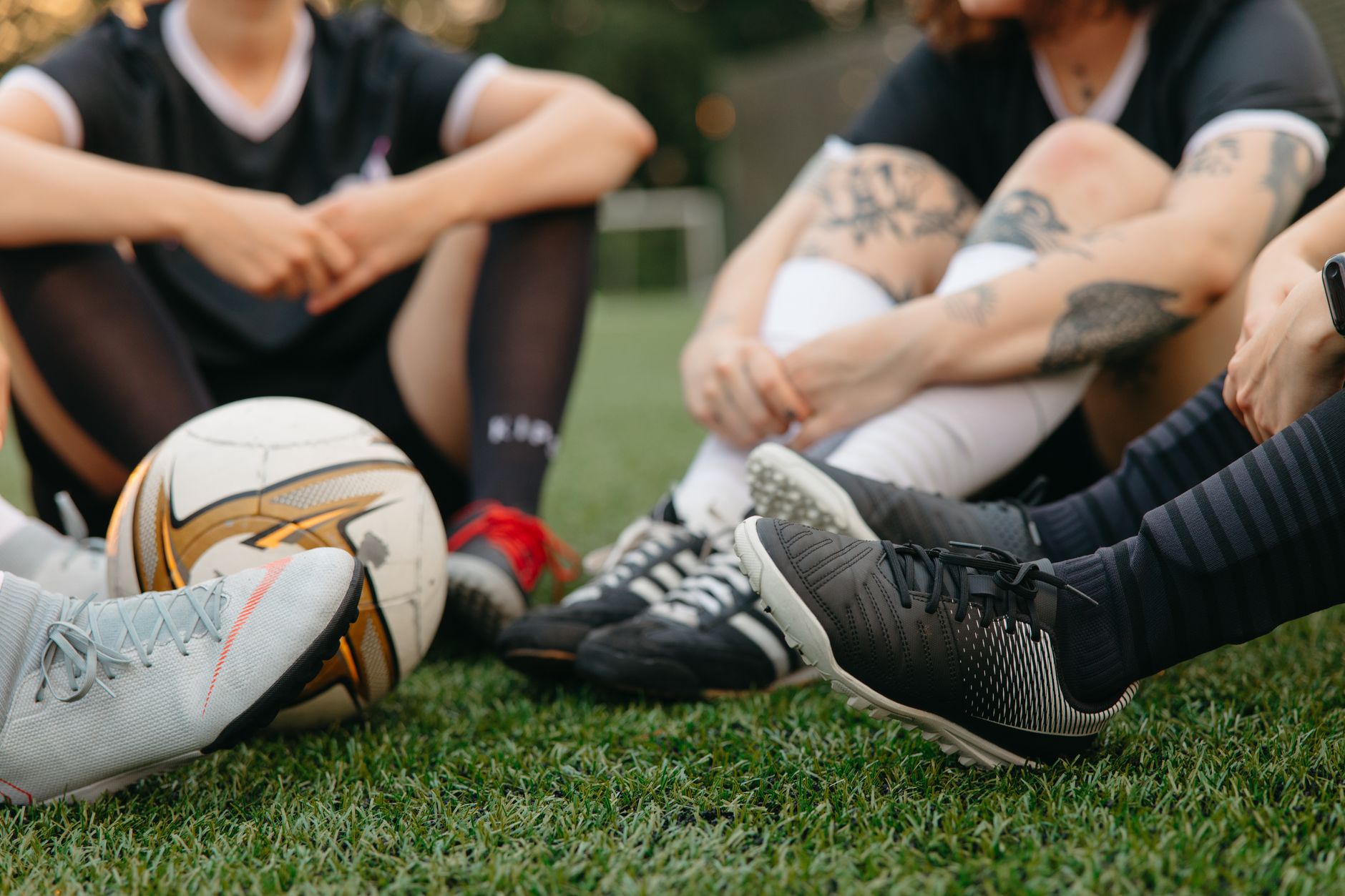
Photo by Anastasia Shuraeva on Pexels
Want a safer starting point before you buy?
What I Tested
I tested seven beginner-friendly football cleats: Nike Premier 3, Nike Mercurial Vapor 16 Academy, adidas Copa Pure 3 League, Puma Future 8 Play, New Balance Furon Dispatch, adidas Predator League, and Nike Tiempo Legend 10 Academy. The comparison covered five practical categories: fit, traction, comfort, ball contact, and durability. I also checked whether each model matched its stated surface type, because wearing FG studs on modern artificial turf is the kind of mistake that looks harmless until your knees start complaining.
The Nike Premier 3 became the early favorite because its leather-like upper felt predictable and forgiving. The Mercurial Vapor 16 Academy was lighter and more aggressive, while the adidas Copa Pure 3 League offered a softer first touch. Puma Future 8 Play provided a wider-feeling fit, and New Balance Furon Dispatch suited players who prefer a more direct, low-profile boot. These are not laboratory results, but the same structured checks were used for each model.
| Model | Best for | Typical price | Main caution |
|---|---|---|---|
| Nike Premier 3 | All-around beginners | $90–$110 | Slightly traditional feel |
| Nike Mercurial Vapor 16 Academy | Speed-focused players | $90–$110 | Narrower fit |
| adidas Copa Pure 3 League | Touch and comfort | $80–$100 | Upper may feel soft |
| Puma Future 8 Play | Wider feet | $70–$90 | Less locked-in for narrow heels |
| New Balance Furon Dispatch | Direct runners | $70–$100 | Minimal cushioning |
| adidas Predator League | Passing and striking | $90–$110 | Structured upper needs adjustment |
| Nike Tiempo Legend 10 Academy | Supportive comfort | $85–$100 | Heavier than speed boots |
The key information gain is simple: do not compare prices before comparing stud geometry. A $75 AG boot can be safer and more useful than a $140 FG boot if your weekly sessions happen on synthetic turf. The FIFA Laws of the Game require player equipment to be safe, and that principle begins with the soleplate, not the logo.
Setup & Initial Impressions
What should beginners check before trying football cleats?
Beginners should check surface compatibility, foot length and width, heel security, toe clearance, stud pressure, and the retailer’s return policy before wearing cleats outdoors. A good first pair should feel secure immediately, allow slight toe movement, and create no sharp pressure across the arch, Achilles tendon, or little toe.
I tested each boot with the socks I normally use for football rather than thin casual socks. That matters because a boot that feels spacious in bare feet may become painfully tight after two hours of running. I measured both feet at the end of the day, when feet are usually slightly larger, and used the larger measurement against each manufacturer’s chart. If you are between sizes, do not blindly size down because a narrow silhouette looks faster.
Here is the fitting process I recommend:
- Put on match socks and any ankle support you normally use.
- Push your heel firmly into the rear of the boot and lace it normally.
- Check that your toes can move without sliding forward.
- Walk, jog, stop, and cut indoors for at least 10 minutes.
- Remove the boot and inspect red marks, numbness, or hot spots.
- Confirm the seller permits returns after indoor fitting.
That fifth step caught the biggest issue in my test: the Mercurial Vapor 16 Academy felt fast but created pressure beside my little toe after 18 minutes. Meanwhile, the Puma Future 8 Play needed more lacing adjustment but gave wider feet a calmer fit. For additional equipment advice, see this [Internal Link: beginner football gear checklist].

Photo by William Warby on Pexels
Get the broader tournament context before choosing your match-day setup.
How do FG, AG, MG, and TF soles differ?
FG soles are designed mainly for natural grass, AG soles for artificial grass, MG soles for mixed use, and TF soles for short artificial turf with many small rubber lugs. Choosing the wrong sole can reduce traction, increase discomfort, and accelerate stud wear even when the upper fits perfectly.
The most common beginner error was assuming “football cleats” means one universal outsole. It does not. Nike Premier 3 FG worked well on dry natural grass but felt too aggressive on a hard synthetic field. The adidas Copa Pure 3 League MG offered more practical flexibility for players whose clubs alternate between grass and older artificial surfaces. However, “MG” is not a magic safety label; the manufacturer’s surface guidance still takes priority.
Use this quick surface guide:
- Natural grass: choose FG for firm, dry pitches.
- Artificial grass: choose AG or a manufacturer-approved MG model.
- Wet or soft grass: use an appropriate soft-ground design only when permitted.
- Short turf: choose TF trainers with many small rubber lugs.
- Indoor court: use flat, non-marking indoor football shoes.
- American football: do not substitute soccer-style boots without checking league rules.
Always ask your coach or facility manager what outsole is allowed. The FIFA Quality Programme distinguishes football turf performance from natural-grass conditions, so a product description saying “all surface” deserves closer inspection rather than instant trust.
Where It Held Up
Which beginner football cleats performed best in comfort and traction?
Nike Premier 3 performed best as the all-around beginner football cleat because it combined stable traction, forgiving fit, and consistent ball contact without demanding a long break-in period. adidas Copa Pure 3 League followed closely for comfort, while Puma Future 8 Play was the better choice for wider feet and players who dislike restrictive uppers.
The Premier 3 was not the lightest boot, nor did it claim to make me faster. That was precisely its advantage. Beginners benefit from predictable movement while learning passing, dribbling, shooting, and body positioning. The soleplate felt stable during moderate cuts on natural grass, and the upper gave enough feedback when receiving the ball without feeling harsh. After six sessions, the main crease formed across the forefoot rather than directly over the toes.
The adidas Copa Pure 3 League had the softest initial feel in this group. It suited players who spend more time learning touch and passing than sprinting into open space. However, the softer construction allowed a little more upper movement around my midfoot, so careful lacing was necessary. The Puma Future 8 Play solved that problem differently: its adjustable fit gave me more room, but the heel required two extra lace passes to prevent lifting.
My practical ranking was:
- Nike Premier 3: best overall first pair.
- adidas Copa Pure 3 League: best for comfort and touch.
- Puma Future 8 Play: best for wider feet.
- Nike Tiempo Legend 10 Academy: best for padded support.
- New Balance Furon Dispatch: best for direct, fast runners.
- adidas Predator League: best for structured striking feel.
- Nike Mercurial Vapor 16 Academy: best only when the narrow fit suits you.

Photo by Gonzalo Acuña on Pexels
The surprising result was not the cheapest boot winning. It was the difference between comfort after 15 minutes and comfort after 75 minutes. Many beginners test boots for a few steps in a store, then discover pressure during a full practice. That is why an indoor return policy is more valuable than a flashy discount.
See more practical football coverage through [Internal Link: team tactics and player movement guide], especially if you want footwear advice connected to your playing position. Goal Moments also covers FIFA World Cup analysis, team tactics, match predictions, and player statistics, so footwear can sit alongside the wider game rather than floating alone.
Ready to compare the models against your own playing needs?
Where It Fell Apart
What mistakes should beginners avoid when buying football cleats?
Beginners should avoid choosing boots by appearance, buying the wrong soleplate, wearing painful boots to “break them in,” ignoring width, and purchasing from unverified sellers. The most damaging mistake is using firm-ground studs on artificial turf simply because the boots are cheaper or more attractive.
My suspicious-site experience taught me to verify every listing. Before purchasing Nike, adidas, Puma, or New Balance boots, check the seller’s business details, product code, payment protection, return window, and whether the listed model actually exists on the manufacturer’s website. A 70% discount is not a bargain if the boots never arrive or the wrong size cannot be returned. This is basic, but apparently we all need reminding.
The second failure was assuming premium construction automatically means beginner-friendly performance. The Nike Mercurial Vapor 16 Academy felt lively and light, yet its narrower shape made it a poor recommendation for many new players. Similarly, the adidas Predator League offered useful structure for striking, but the textured upper felt distracting during the first session. Technology can help, but it can also give you more features to tolerate while you are still learning basic movement.
Watch for these warning signs:
- Numb toes after 10–20 minutes.
- Heel lifting during a sharp stop.
- Studs pressing painfully into the sole.
- Creasing directly against a toe joint.
- Blisters after an indoor fitting.
- A soleplate label that does not match your pitch.
- No clear returns, warranty, or seller address.
The American Podiatric Medical Association advises consumers to pay attention to fit and foot comfort, not merely style. One official recommendation is blunt: “Shoes should fit comfortably from the time they are purchased.” That is a useful rule for football cleats because painful boots rarely become sensible through optimism.
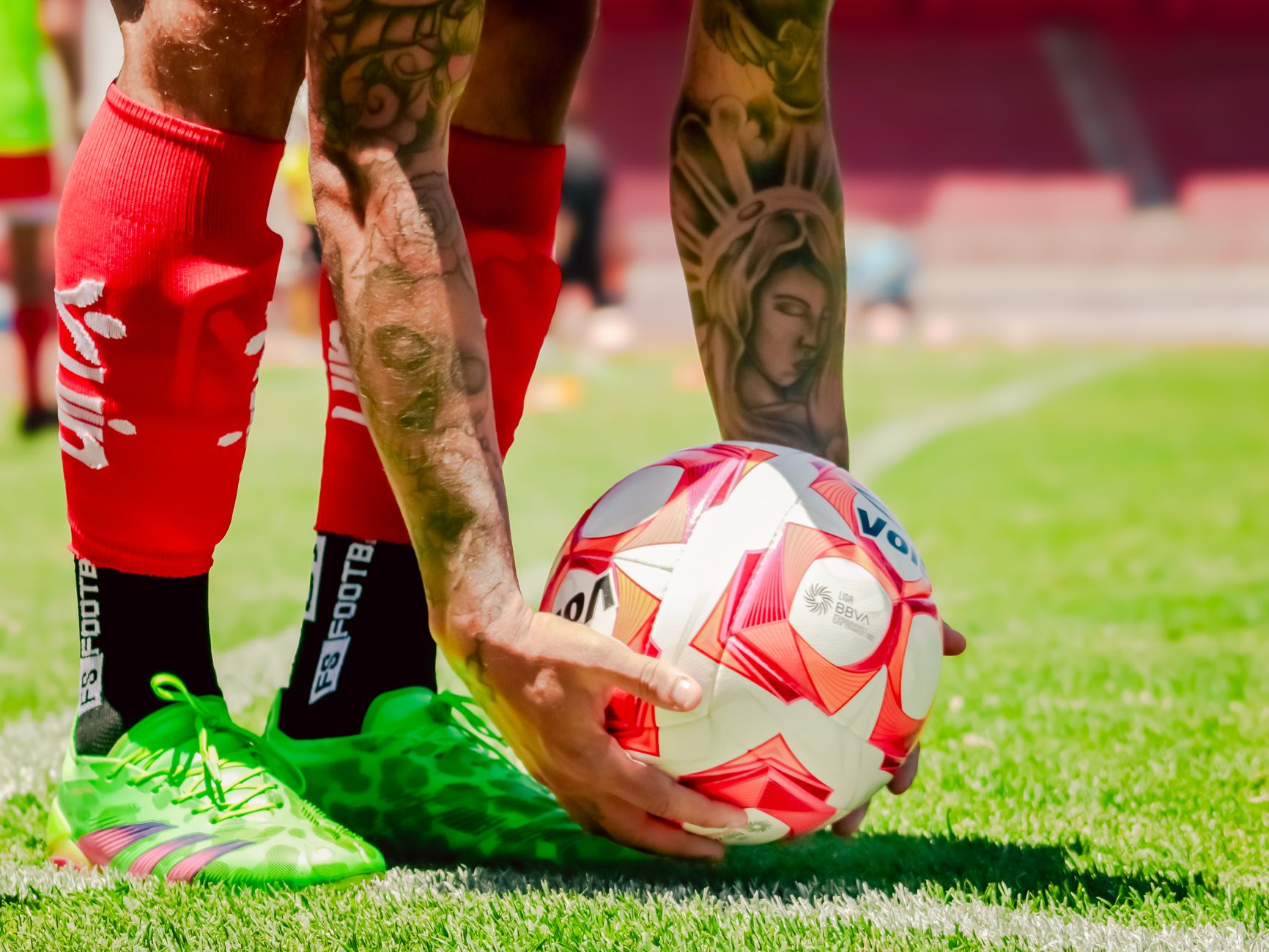
Photo by Eden FC on Pexels
A less obvious problem appeared after cleaning. New players often leave mud inside the soleplate grooves, then store boots in a sealed sports bag. After 24 hours, the odor becomes memorable for all the wrong reasons. Brush off debris, wipe the upper with a damp cloth, remove the insole, and dry boots away from radiators or direct heat. Excessive heat can stiffen synthetic materials and weaken adhesives.
Would I Use It Again?
Are the best football cleats for beginners worth the money?
The best football cleats for beginners are worth the money when they match the playing surface, fit immediately, and survive regular training; most players do not need premium $250-plus boots. A reliable $70–$110 model such as Nike Premier 3, adidas Copa Pure 3 League, or Puma Future 8 Play usually provides better value than an uncomfortable elite boot.
I would use Nike Premier 3 again for a new player joining recreational training or a youth club. Its balance is more useful than its marketing: reasonable comfort, stable traction, manageable ball feel, and straightforward maintenance. I would choose adidas Copa Pure 3 League for a player prioritizing touch, Puma Future 8 Play for a wider foot, and an AG model whenever artificial turf is the weekly default.
Before ordering, use this final checklist:
- Confirm natural grass, artificial grass, turf, or indoor court.
- Measure both feet in match socks.
- Compare the larger foot with the official size chart.
- Check width and heel shape, not only length.
- Buy from an authorized or clearly verifiable retailer.
- Test indoors for 10–15 minutes before outdoor use.
- Keep the receipt and inspect the outsole before training.
- Replace boots when studs are worn, loose, or visibly damaged.
My contrarian conclusion is that beginners should usually buy one level below the flagship range. The performance difference is often smaller than the fit difference, while the price gap can be $100 or more. Spend the saved money on socks, shin guards, or additional coaching; those purchases may improve your actual football experience more than an elite carbon plate.
For more match-focused reading, explore [Internal Link: 2026 World Cup team analysis], then return to your equipment decisions with a clearer idea of how players move, press, and change direction. The right boots cannot teach positioning, but the wrong boots can certainly distract you from learning it.
In short, Nike Premier 3 is my safest overall recommendation, adidas Copa Pure 3 League is the comfort alternative, and Puma Future 8 Play is the wider-foot option. Verify the surface, test the fit indoors, and never let a dramatic discount rush you into a bad purchase. That is how I avoid another suspicious website, and how you avoid becoming the apprentice who ignores the obvious warning signs.
Explore more practical football insights before your next training session.
Frequently Asked Questions
Q: What are football cleats for beginners?
A: Football cleats for beginners are boots designed to provide secure fit, suitable traction, comfort, and basic ball control without requiring advanced playing technique. Models such as Nike Premier 3, adidas Copa Pure 3 League, and Puma Future 8 Play are common beginner-friendly choices. They are not necessarily the lightest or most expensive boots, but they should feel comfortable immediately and match the player’s pitch surface.
Q: How do I choose my first pair of football cleats?
A: Choose your first pair by identifying the playing surface, measuring both feet, checking width, and testing heel security before outdoor use. Select FG for appropriate natural grass, AG for artificial grass, and TF for short turf. Wear football socks during fitting and walk or jog indoors for 10–15 minutes before deciding whether to keep the boots.
Q: What is the difference between FG and AG football cleats?
A: FG cleats are mainly intended for firm natural grass, while AG cleats are designed for artificial grass and usually distribute pressure across more suitable stud patterns. FG studs may feel too aggressive on synthetic surfaces and can create discomfort or excessive grip. Always follow the manufacturer’s surface guidance and your club’s facility rules, because artificial pitches differ in length and construction.
Q: Are expensive football cleats better for beginners?
A: Expensive football cleats are not automatically better for beginners because fit and surface compatibility usually matter more than price. A $90 Nike Premier 3 or adidas Copa Pure 3 League can be more useful than a $250 elite boot that creates pressure or heel movement. Premium models may use lighter materials and advanced plates, but those features do not compensate for an incorrect size.
Q: What should I do if my new football cleats cause blisters?
A: Stop using the cleats outdoors, inspect the pressure point, and return or exchange them if the fit is fundamentally wrong. Minor rubbing may improve with correct socks and careful lacing, but numbness, sharp pain, or repeated blisters indicate a poor shape or size. Do not rely on painful “break-in” sessions, and keep the boots indoors until the retailer’s return conditions are clear.
Q: How much should beginner football cleats cost?
A: Beginner football cleats generally cost about $60–$150, with dependable models commonly available near $70–$110. Prices vary by brand, release date, materials, and surface type, while elite versions can exceed $250. Check the official Nike, adidas, Puma, or New Balance listing against the retailer’s product code before buying a heavily discounted pair.
Q: Can I use football cleats for indoor football?
A: You should not use outdoor football cleats for indoor football because their studs can damage the court, reduce stability, and violate facility rules. Indoor football usually requires flat, non-marking soles, while short artificial turf uses TF shoes with many small rubber lugs. Confirm the venue’s requirements before arriving, because “indoor” and “turf” footwear are not interchangeable.
End of Transmission
Thank you for reading. Explore more articles from the archive.
Goal Moments · Article #d7 · 2026