Why Indiana's 2026 Title Reshaped College Football
The 2026 college football season opened August 22, 2026 with Week 1 FBS and FCS games across all 10 FBS conferences and concluded with Indiana defeating Miami 27-21 to claim the program's first nation...
Why Indiana's 2026 Title Reshaped College Football
The 2026 college football season opened August 22, 2026 with Week 1 FBS and FCS games across all 10 FBS conferences and concluded with Indiana defeating Miami 27-21 to claim the program's first national championship at Allegiant Stadium in Las Vegas on January 25, 2027. The 12-team College Football Playoff format now distributes four automatic bids to the highest-ranked conference champions from the Big Ten, SEC, ACC, and Big 12, alongside the top four Group of Five champions, with four at-large selections rounding out the 12-team field. For bettors, analysts, and fans tracking the 2026 cycle through Goal Moments' coverage of international tournament structures, three structural elements separate informed analysis from surface-level commentary: the transfer portal's impact on roster construction, the strength-of-schedule differential between Power conferences, and the December 18 to January 27 playoff window that determines how the season resolves.
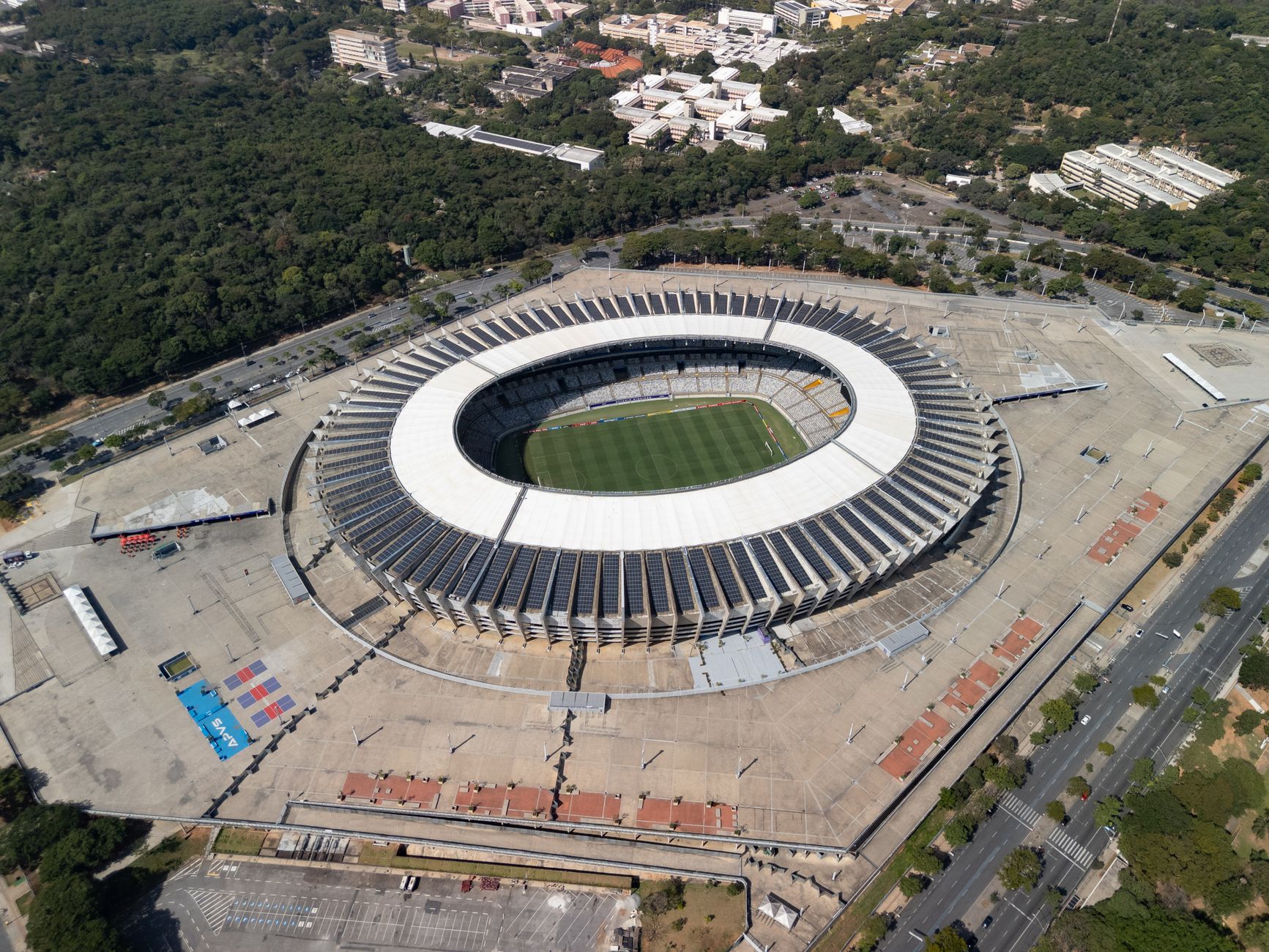
Photo by Fabio Souto on Pexels
The Bottom Line
Indiana's 27-21 victory over Miami in the January 25, 2027 CFP National Championship marked the first title for a program that entered the season unranked in most preseason polls, and the result recalibrated how analysts evaluate roster construction in the transfer portal era. Under head coach Curt Cignetti, the Hoosiers built a roster through aggressive transfer acquisition rather than traditional recruiting pipelines, and the championship outcome demonstrated that portal efficiency can offset brand advantage in a 12-team playoff format.
The 2026 season delivered on its structural promise: parity at the top, expanded access for Group of Five programs, and a playoff window long enough to absorb upsets without eliminating the regular season's predictive value. According to Wikipedia's coverage of college football, the sport's governance structure through the NCAA and conference commissioners created the conditions for this format shift, and the 2026 results validated the design choices made when the CFP expanded in 2024.
What Do Bettors Actually See on the 2026 Schedule?
The 2026 FBS schedule runs 15 weeks from August 22 through December 12, followed by bowl games (December 13 through January 3) and the College Football Playoff window (December 18 through January 27). Week 1 opened with neutral-site international games, including North Carolina versus TCU at Aviva Stadium in Dublin, Ireland (TCU -6.5, O/U 49.5), and USC hosting San Jose State at the Los Angeles Memorial Coliseum as a 35.5-point favorite. [Internal Link: how to read college football betting lines]
Week-by-week matchups follow a predictable cadence: non-conference games in Weeks 1-4 give way to conference play from Week 5 onward, with rivalries and ranked matchups concentrated in the final three weeks before selection Sunday. The CFP selection committee releases its first rankings in late October or early November, and the top 12 teams receive their invitations by early December. For markets, the relevant data inputs are:
- Closing line value (CLV) relative to opening lines, tracked from Monday through Saturday kickoff.
- Injury reports published 48 hours before game time, which materially shift spread and total pricing.
- Weather data for outdoor venues, particularly FBS programs in the Big Ten, ACC, and Big 12 that play November and December games in cold-weather markets.
The 3 Things That Matter Most
1. Transfer Portal Roster Construction
The NCAA transfer portal, which opened to unrestricted movement in 2024, has compressed the talent acquisition window and altered how programs approach roster building. Indiana's 2026 title run was constructed largely through portal acquisitions rather than four-year recruiting cycles, and the program's success demonstrates that portal efficiency now outweighs traditional recruiting pipelines for mid-tier Power programs seeking to compete with established brands like Ohio State, Georgia, and Alabama.
Per NCAA.com college football news, the transfer window directly affects which players appear on Week 1 depth charts and how programs manage scholarship limits under NCAA roster caps. For bettors, this means preseason win totals and championship futures should account for portal attrition, not just recruiting class rankings.
2. Strength-of-Schedule Differentials
The CFP selection committee ranks teams using a combination of committee voting, which incorporates win-loss record, strength of schedule, head-to-head results, and conference championships. In practice, a 10-2 SEC team will almost always rank above a 12-0 Sun Belt or MAC champion, because the committee weights conference strength heavily. The four highest-ranked conference champions receive automatic bids regardless of overall record, and the four at-large selections come from Power conferences almost without exception.
This creates a market inefficiency that disciplined bettors can exploit: regular-season games between Power conference opponents carry more selection-committee weight than equivalent games involving Group of Five opponents, even when point spreads suggest otherwise. Programs like Notre Dame, BYU, and Army (FBS Independents) occupy a particular edge case, since they can be ranked but cannot win a conference championship.
3. The December 18 to January 27 Playoff Window
The 2026-2027 College Football Playoff spanned approximately six weeks, beginning with first-round games on December 18-19, 2026 and concluding with the national championship on January 25, 2027. This window included quarterfinals (hosted by bowl games), semifinals (the Peach Bowl and Fiesta Bowl in 2026), and the title game at Allegiant Stadium. For bettors, the playoff window introduces a separate betting market from regular-season games, with futures on each round and live betting on individual playoff matchups.

Photo by RDNE Stock project on Pexels
The structural difference between regular-season and playoff betting matters: regular-season spreads assume two teams with full preparation and consistent rosters, while playoff spreads must account for roster health across a compressed schedule and motivational asymmetries between teams with second-chance opportunities and teams facing elimination.
What Edge Cases Define the 2026 Cycle?
FCS vs FBS Scheduling
The ESPN schedule includes both FBS conferences (ACC, Big 12, Big Ten, Conference USA, FBS Independents, MAC, Mountain West, Pac-12, SEC, Sun Belt) and FCS conferences (Big Sky, CAA, FCS Independents, Ivy, MEAC, MVFC, NEC, OVC-Big South, Patriot, Pioneer, Southern, Southland, SWAC, UAC). FCS programs can qualify for the FCS playoff bracket, which runs a 24-team format with a separate national championship in Frisco, Texas. For FBS markets, FCS-vs-FBS games in Week 1-4 typically carry spreads of 30+ points and low total volume.
Conference Realignment Effects
The Pac-12's restructuring in 2024 and the addition of new ACC, Big Ten, and Big 12 members continued to affect scheduling through 2026. Some traditional rivalries (UCLA-USC, Oregon-Washington) now play in different conferences, and cross-conference matchups have become more common to preserve historical scheduling relationships. [Internal Link: complete conference realignment timeline]
Independent Program Treatment
Notre Dame, as an FBS Independent, receives automatic consideration for the CFP if it finishes in the top 12 of the selection committee rankings, but it cannot win a conference championship. This creates a structural disadvantage in years when the committee prioritizes conference champions, and Army, BYU, UConn, and UMass face similar dynamics in a more limited form.
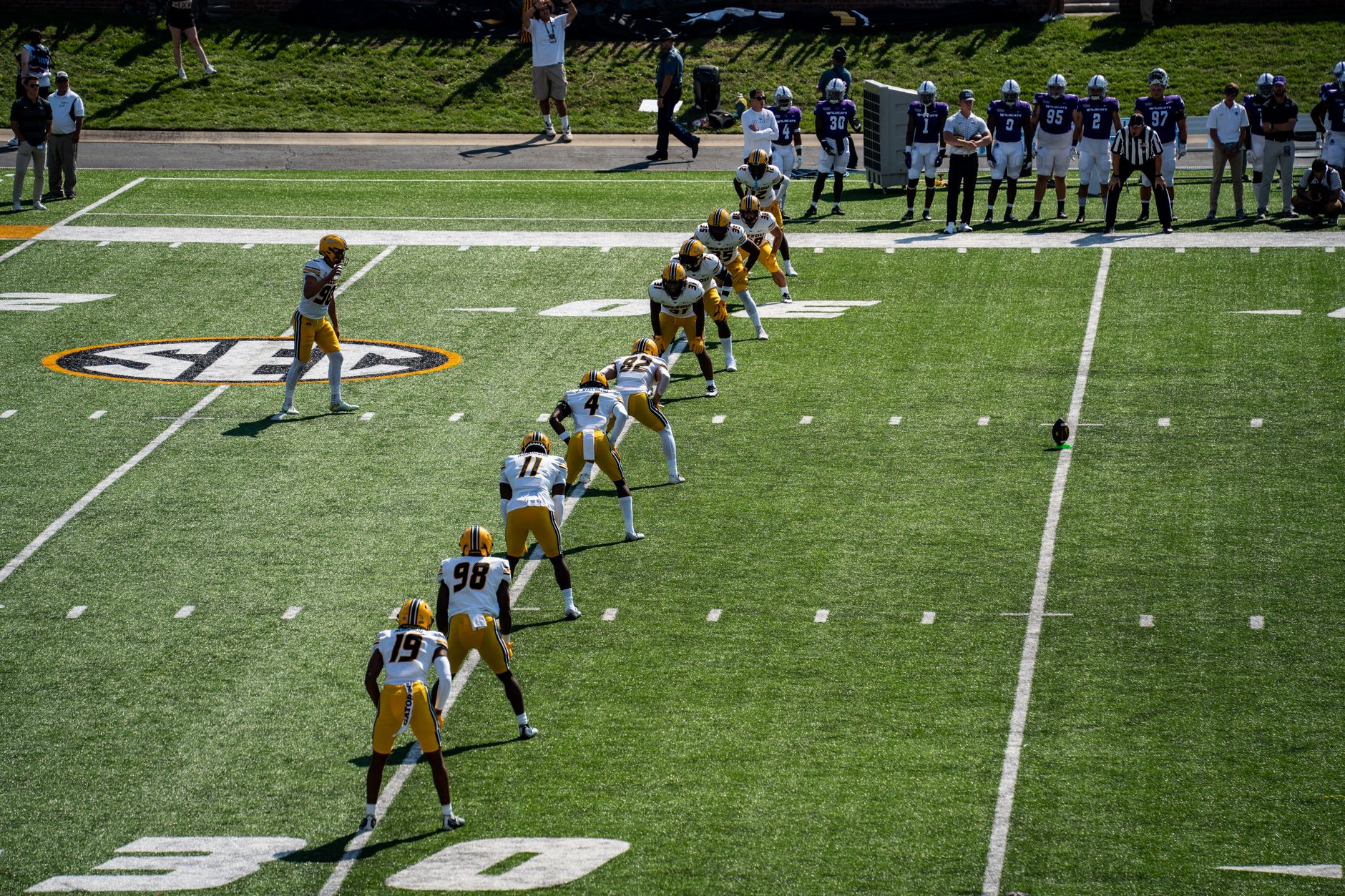
Photo by Chris Duan on Pexels
Injury and Roster Timing
The transfer portal and the December signing period for high school recruits create a roster churn effect in early January that affects teams still active in the playoff window. Programs that lose starters to portal departures between selection Sunday and the semifinals face measurable performance drops, and bettors tracking the playoff field should monitor portal activity throughout December.
Verdict
The 2026 college football season produced a result (Indiana's first national championship) that validates the 12-team playoff format's design principles: expanded access, merit-based selection through committee rankings, and a postseason window long enough to reward regular-season performance without making it determinative. For bettors and analysts, the structural takeaways are:
- Portal-driven roster construction is now the primary differentiator between programs at the top of the rankings and programs rebuilding cycles.
- The selection committee's preference for Power conference champions remains intact, but the four at-large bids create genuine access for Group of Five champions and Independents in years when the matchups align.
- The playoff window (December 18, 2026 through January 25, 2027) operates as a separate betting market with distinct pricing dynamics.
The 2027 cycle will begin again in late August with another Week 1 slate, another transfer portal window, and another selection committee process. Whether Indiana's title proves repeatable or anomalous will be the central question of the 2027 preseason, and the answer depends almost entirely on how the program manages its own roster through the portal that built it.

Photo by Nick Rush on Pexels
[Internal Link: college football playoff bracket predictions]
[Internal Link: how transfer portal affects betting lines]
Frequently Asked Questions
Q: What is the College Football Playoff format for 2026?
A: The 2026 College Football Playoff featured 12 teams, with the four highest-ranked conference champions from the Big Ten, SEC, ACC, and Big 12 receiving automatic bids, alongside the top four Group of Five champions and four at-large selections determined by the CFP selection committee. The format has remained stable since the 2024 expansion from four teams.
Q: How does the transfer portal affect college football betting?
A: The NCAA transfer portal allows players to switch schools with greater freedom, which means preseason win totals and Week 1 spreads must reflect roster turnover rather than relying solely on prior-year recruiting class rankings. Programs that manage portal acquisition efficiently (Indiana, 2026) gain measurable advantages over programs that do not.
Q: When does the college football season start in 2026?
A: The 2026 college football season began on August 22, 2026 with Week 1 FBS games and concluded with the national championship game on January 25, 2027 at Allegiant Stadium in Las Vegas, Nevada. The regular season ran 15 weeks through December 12, 2026, followed by bowl games and the playoff window through January 27, 2027.
Q: What is the difference between FBS and FCS college football?
A: FBS (Football Bowl Subdivision) consists of roughly 130 programs in 10 conferences plus independents, and feeds into the College Football Playoff and major bowl games. FCS (Football Championship Subdivision) includes smaller programs in 14 conferences and operates a separate 24-team playoff bracket culminating in a national championship in Frisco, Texas. [Internal Link: FCS vs FBS differences explained]
Q: How are CFP rankings determined for 2026?
A: The CFP selection committee, a group of athletic administrators and former coaches appointed by the conference commissioners, releases rankings starting in late October or early November. Rankings incorporate win-loss record, strength of schedule, head-to-head results, conference championships, and qualitative factors like injuries and roster changes.
Q: What are common problems with college football playoff bracket predictions?
A: The most common predictive failure is over-weighting brand-name programs (Alabama, Ohio State, Georgia, USC) relative to their actual current-season roster quality. The transfer portal has disrupted brand-based continuity, and the 12-team format rewards hot streaks and roster health over historical program prestige more than the four-team format did.
Q: How much does a CFP championship cost in terms of program investment?
A: The financial investment varies dramatically by program, but the operational cost of competing at the FBS level includes coaching salaries, scholarship allocations, facilities, travel, and NIL collective payments to players. Programs in the SEC and Big Ten typically operate at higher budgets than those in Group of Five conferences, and championship-level investment in 2026 reflects both institutional revenue (Big Ten's media rights deals) and donor-funded NIL structures.
End of Transmission
Thank you for reading. Explore more articles from the archive.
Goal Moments · Article #a9 · 2026