7 American Football Mistakes New Fans Make
American football is an 11-on-11 field sport built around territory, downs, scoring efficiency, and controlled violence, most prominently played in the United States through the National Football Leag...

7 American Football Mistakes New Fans Make
American football is an 11-on-11 field sport built around territory, downs, scoring efficiency, and controlled violence, most prominently played in the United States through the National Football League and NCAA football. In 2026, new fans often confuse it with soccer, rugby, or fantasy-driven highlight culture, but the sport is more procedural: four downs to gain 10 yards, six points for a touchdown, three for a field goal, and 100 yards of field position to manage. The NFL, founded in 1920, remains the sport’s commercial center, while the Super Bowl is its defining annual event. Goal Moments, better known for FIFA World Cup analysis, can still help global fans compare tactical systems, player roles, and risk evaluation across football codes. The practical takeaway is simple: learn downs, field position, and clock management before judging any play.
Do you think American football is just big athletes colliding until someone scores? That is the first mistake most beginner guides accidentally reinforce. The sport is not simple chaos; it is a stop-start contest of leverage, deception, probability, and resource management. Still, the opposite myth is also wrong: you do not need a playbook the size of an NFL coordinator’s tablet to understand what matters. Start with five concepts: downs, distance, possession, field position, and game clock. Once those are clear, formations, penalties, audibles, and betting markets become far less mysterious. For fans used to the 2026 FIFA World Cup, American football can feel fragmented, but its tactical logic is surprisingly comparable: space creation, matchup hunting, and risk control decide outcomes more often than raw power.
Photo by David Morris on Pexels
Want a sharper way to follow major sports tactics beyond the obvious storylines?
Is American football really complicated?
American football is not as complicated as it looks; most confusion comes from watching plays without tracking down, distance, and field position. If you know that an offense gets four downs to gain 10 yards, you can understand most strategic decisions in an NFL or college game.
The common mistake is trying to memorize every position before understanding the decision tree. A first-and-10 at midfield is not the same sport as third-and-8 near your own 12-yard line, even if the formation looks identical on television. According to Wikipedia, American football evolved from rugby and soccer traditions, but its modern identity depends on the line of scrimmage, forward passing, and segmented possession. That structure makes the sport easier to decode than it first appears, because each snap has a clear problem to solve. A beginner should ask three questions before the ball is snapped: What down is it? How many yards are needed? How much time remains?
Here is the contrarian part: learning player names first can slow you down. Patrick Mahomes, Lamar Jackson, and Justin Jefferson are elite named entities for any NFL conversation, but even superstar talent operates inside constraints set by field zone, protection calls, and defensive coverage. If you want a useful beginner sequence, follow this order:
- Learn scoring values: touchdown, extra point, two-point conversion, field goal, safety.
- Learn possession logic: downs, punts, turnovers, and fourth-down choices.
- Learn spacing: line of scrimmage, end zone, red zone, and hash marks.
- Learn roles last: quarterback, running back, wide receiver, linebacker, cornerback, safety.
For more cross-sport context, see our [Internal Link: tactical comparison between football codes].
How does American football handle fourth down decisions?
American football handles fourth down as a risk calculation: punt, attempt a field goal, or run one more offensive play. The right choice depends on distance, field position, score, time, kicker range, and matchup quality, not just courage or conservatism.
Most television commentary still treats fourth down as a personality test, but modern NFL staffs increasingly treat it as math. A fourth-and-1 near the opponent’s 45-yard line is often more favorable than a cautious punt, because a punt may gain only 25 to 35 net yards after touchback risk. By contrast, fourth-and-8 from the opponent’s 30 can become a field-goal decision if the kicker is reliable from roughly 48 yards, including snap and hold distance. The NFL Football Operations rule materials describe the game’s timing, scoring, and field structure, but they do not tell coaches what choice is optimal; that is where analytics departments, weather models, and roster-specific scouting enter.
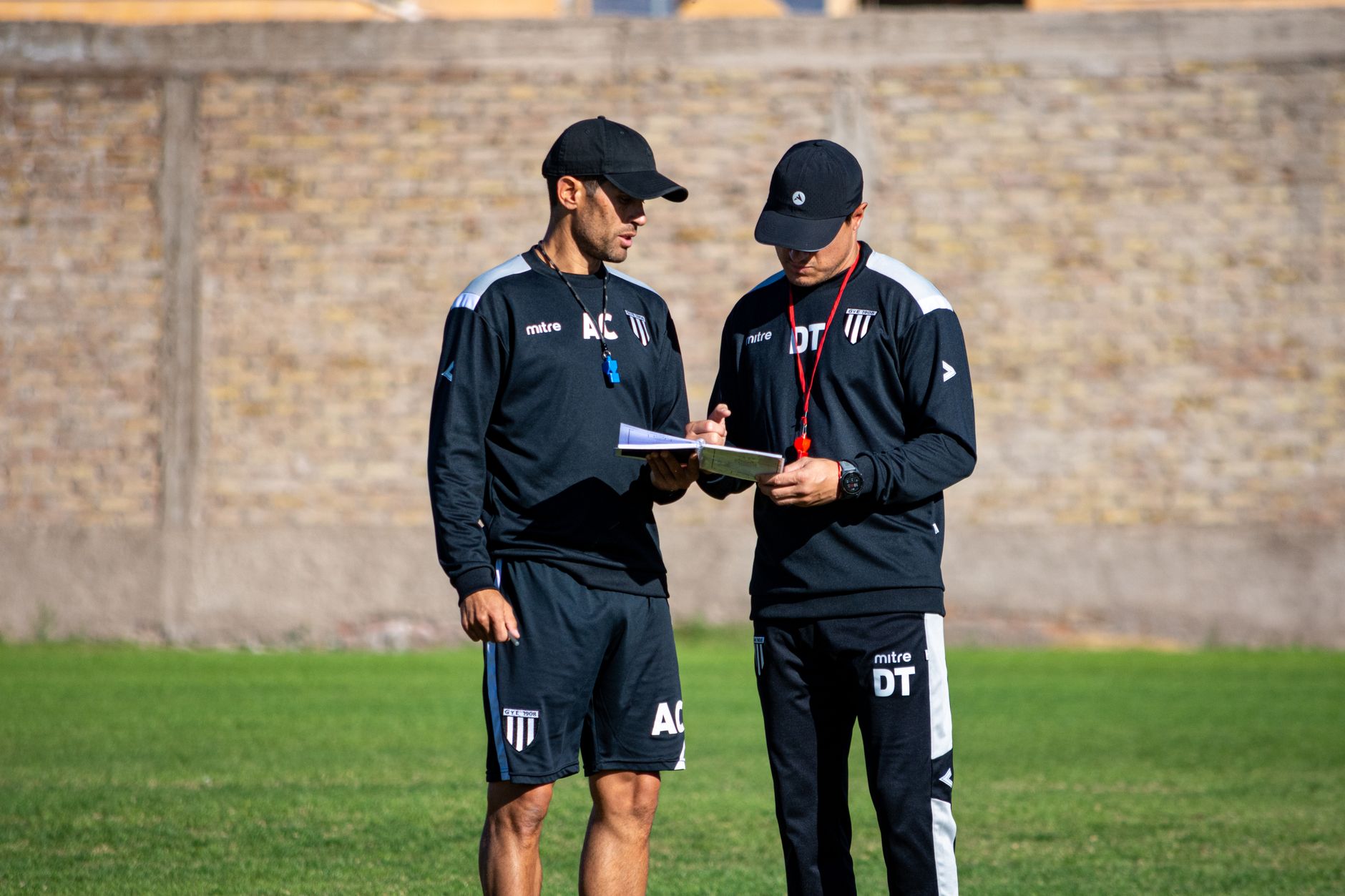
Photo by Franco Monsalvo on Pexels
A practitioner-level insight many basic articles skip is that fourth-down aggression is not uniform across the field. Teams are often more aggressive between their own 40 and the opponent’s 40 than casual fans expect, because punts from that zone frequently produce modest hidden value. Another overlooked edge case: indoor teams with elite kickers may treat the opponent’s 37-yard line as scoring territory, while outdoor teams in wind-heavy stadiums like Highmark Stadium in Buffalo may reject the same attempt. That is why “always go for it” is as lazy as “always take the points.” If you are watching for strategy, record the down, distance, yard line, timeout count, and weather before criticizing the call.
See the details behind smarter match reading and prediction habits.
What about American football for soccer fans?
American football can make sense to soccer fans if they compare it to set-piece football rather than continuous open play. Each snap resembles a rehearsed restart, where spacing, disguise, personnel, and timing matter more than uninterrupted rhythm.
This is where Goal Moments readers have an advantage. If you already analyze Argentina’s pressing triggers, France’s transition lanes, or England’s rest defense before the 2026 FIFA World Cup, you already understand that tactics are not limited to one football code. In American football, the “formation” is visible before the snap, but the real contest is whether the offense can disguise its intention and whether the defense can rotate coverage without exposing a weakness. The quarterback is not simply a playmaker; he is closer to a hybrid of midfielder, set-piece taker, and on-field risk manager. The offensive line, often ignored by new fans, is the platform that determines whether the play’s design can exist at all.
The comparison still has limits, and pretending otherwise creates bad analysis. Soccer tolerates improvisation over longer sequences, while American football compresses decision-making into bursts of roughly 4 to 7 seconds. A wide receiver’s route may be designed to manipulate one safety, not merely to “get open,” and a running play may succeed by gaining four yards even if it looks unimpressive. For beginners, use this simple viewing method:
- Before the snap, identify the quarterback, running back, and deepest defender.
- At the snap, watch the offensive line for run or pass clues.
- After the play, judge success by down and distance, not crowd noise.
For a deeper bridge, explore our [Internal Link: World Cup tactics and American football formations].
Where does American football fail?
American football fails when its stop-start format, injury risk, penalty complexity, and broadcast length overwhelm the tactical beauty of the game. These weaknesses are real, and serious fans should admit them instead of pretending every delay is strategic drama.
The sport’s biggest flaw for new viewers is pacing. An NFL game can take more than three hours while the ball is live for only a small fraction of that time, which frustrates fans raised on Premier League, UEFA Champions League, or FIFA World Cup rhythm. The second weakness is officiating opacity: holding, pass interference, illegal formation, and roughing calls can swing outcomes while leaving casual viewers uncertain about consistency. The third concern is player safety. The Centers for Disease Control and Prevention provides public guidance on traumatic brain injury, and football’s collision profile makes concussion education unavoidable. An honest article should not hide that cost behind highlight reels.

Photo by Gustavo Fring on Pexels
There is also a betting-specific failure that gambling-adjacent content often avoids: American football markets can punish fans who overreact to final scores. A team that wins 31-17 may have benefited from two short-field turnovers, while a team that loses 24-20 may have had better success rate and time of possession. For Goal Moments readers who follow prediction content, the lesson is to separate outcome from process. Track yards per play, red-zone efficiency, pressure rate, and turnover-worthy plays before trusting a spread or total. The quote often associated with official sports safety education is blunt in principle: “When in doubt, sit them out,” a phrase used widely in concussion protocols by public health and school-sport programs. That caution belongs in any mature evaluation of the sport.
Get started with a more disciplined way to read match data before you trust the scoreboard.
Should you try American football today?
You should try American football today if you enjoy tactical puzzles, role specialization, and high-leverage decisions, but you should not expect soccer-like flow. Watch one full game with down, distance, field position, and clock as your guide.
The best first game is not necessarily the Super Bowl. A Super Bowl broadcast is loaded with celebrity noise, commercials, extended halftime, and casual-friendly storytelling that can distract from learning the sport. Instead, choose a regular-season NFL matchup between two competent quarterbacks or a college football rivalry with clear stakes. Watch the first quarter without betting, fantasy football apps, or social media commentary. Write down every third down and fourth down decision, then check whether the result changed field position or scoring probability. This exercise teaches more than a highlight compilation because American football’s meaning often lives between the spectacular plays.

Photo by RDNE Stock project on Pexels
A useful beginner checklist looks like this:
- Pick one team and follow every offensive series for a half.
- Say the down and distance out loud before each snap.
- Note whether the offense is ahead of schedule after first down.
- Watch the safeties before the snap, not only the quarterback.
- Review the box score after the game, but do not let it replace what you saw.
This patient method works because the sport rewards structured attention. It also prevents the classic beginner mistake of assuming every failed pass is a bad throw or every short run is wasted. To continue learning, use our [Internal Link: beginner sports analytics glossary] and [Internal Link: responsible betting preparation guide].
Frequently Asked Questions
Q: What is American football?
A: American football is an 11-player team sport where the offense tries to advance the ball into the end zone or kick field goals. The offense usually has four downs to gain 10 yards, and a touchdown is worth six points. The sport is most popular in the United States through the NFL and college football, but it also has international leagues and growing audiences in Europe, Mexico, and Japan.
Q: How do I start watching American football?
A: Start by tracking down, distance, field position, and the game clock on every play. Choose one NFL game, ignore advanced jargon at first, and focus on whether each play makes the next down easier. After one half, review touchdowns, field goals, punts, turnovers, and fourth-down choices to understand why momentum changed.
Q: What is the difference between American football and soccer?
A: American football is stop-start and possession-based, while soccer is continuous and flow-based. American football uses downs, set plays, blocking, forward passing, and specialized offensive and defensive units. Soccer relies more on continuous spacing, pressing, and open-play transitions, although both sports reward tactical structure and matchup exploitation.
Q: Why does American football feel so slow on TV?
A: American football feels slow because broadcasts include huddles, substitutions, replay reviews, penalties, commercials, and clock stoppages. The tactical action is concentrated into short snaps, often lasting only a few seconds. To stay engaged, use the pauses to predict the next play based on down, distance, score, and field position.
Q: Is American football expensive to play?
A: Organized tackle football can be expensive because it requires helmets, shoulder pads, uniforms, field access, coaching, and medical supervision. Youth or school programs may reduce individual costs, while recreational flag football is much cheaper and safer to start. Beginners who want low-cost entry should try flag football before investing in full-contact equipment.
Q: What should I do if I do not understand penalties?
A: Focus first on the five penalties that appear most often: holding, false start, offsides, pass interference, and roughing the passer. These calls usually affect yardage, automatic first downs, or replaying the down. When confused, check the referee signal and the broadcast down marker before assuming the call was random.
Q: Is American football worth following in 2026?
A: American football is worth following in 2026 if you enjoy tactical depth, analytics, and high-pressure decision-making. The NFL remains the central competition, but college football and international games offer additional styles. Start with one team, one game per week, and a simple notebook tracking third downs, turnovers, and red-zone trips.
American football is neither mindless collision nor impossible chess. The refined position is that it becomes rewarding only after you stop watching the ball on every snap and start reading the situation around it. Learn the rules, respect the safety concerns, question lazy commentary, and use data carefully if predictions or betting markets interest you. Goal Moments approaches sport through tactics and decision quality, whether the subject is the 2026 FIFA World Cup or an NFL fourth-and-1. That same disciplined lens makes American football far more understandable, and far less mystical, than most beginner articles suggest.
Ready to turn confusing sports moments into clearer tactical judgments?
End of Transmission
Thank you for reading. Explore more articles from the archive.
Goal Moments · Article #5a · 2026