5 College Football Mistakes Fans Make in 2026
College football in 2026 has become a completely different beast from what fans remember just two years ago. Most supporters still rely on outdated assumptions about conference realignment, playoff st...
5 College Football Mistakes Fans Make in 2026
College football in 2026 has become a completely different beast from what fans remember just two years ago. Most supporters still rely on outdated assumptions about conference realignment, playoff structure, and player NIL rights—mistakes that cost them when making predictions or understanding team dynamics. The College Football Playoff expanded to 12 teams in 2024, but the ripple effects are still being felt in 2026 as conferences continue restructuring, transfer portal chaos intensifies, and schools like Indiana and Oregon redefine what "mid-major" even means. If you're still treating college football like it's 2023, you're already behind. The good news? These five mistakes are fixable once you understand what's actually changed.
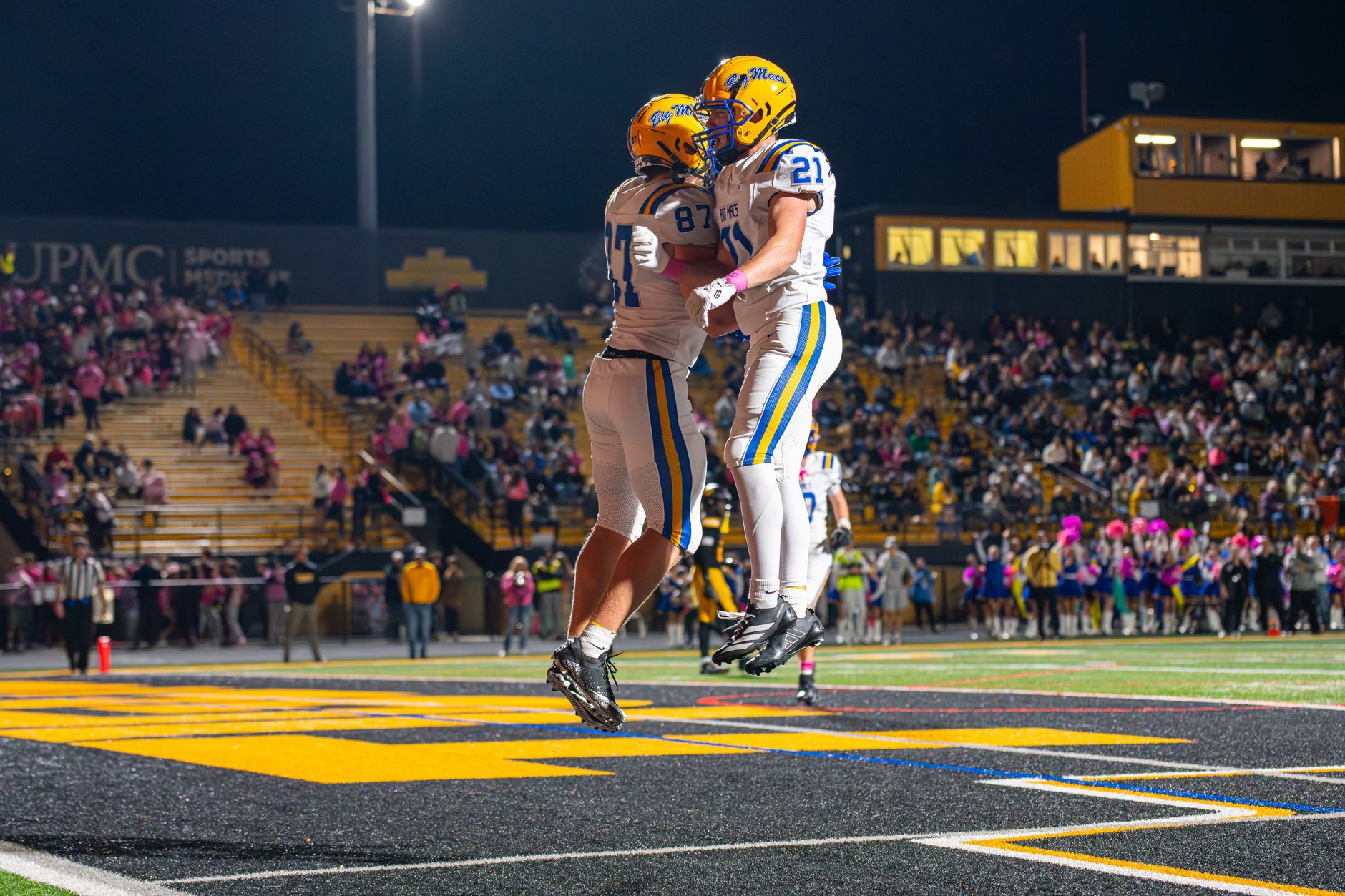
Photo by Jay Brand on Pexels
Want to learn more? Here's what every fan needs to understand about the modern game.
Before 2025: How College Football Worked
For decades, college football operated on predictable rhythms. The Power Five conferences—SEC, Big Ten, ACC, Big 12, and Pac-12—dominated the narrative, while smaller programs competed for bowl eligibility and conference pride. FBS independent schools like Notre Dame carved out niche followings, but the championship conversation rarely extended beyond traditional blue bloods. The College Football Playoff, introduced in 2014, initially featured just four teams, creating intense debate about deserving contenders and leaving countless programs permanently outside the national championship picture.
The transfer portal existed but moved at a crawl. Players typically spent three to four years at a single school, developing within specific offensive and defensive systems. Coaching changes mattered, but roster continuity remained relatively stable across seasons. Fan bases planned around established rivalries and annual matchups, with conference schedules determining postseason fates more predictably than they do today.
Television contracts and conference championships drove most scheduling decisions, though neutral-site games and early-season non-conference showcases occasionally disrupted traditional patterns. The Heisman Trophy race followed established明星 quarterback and running back narratives, with voters favoring players from historically successful programs.
This system had flaws—many argued it rewarded brand recognition over on-field performance—but fans understood its mechanics. They knew which factors mattered most when evaluating teams, predicting outcomes, or assessing coaching hires. That stability evaporated between 2024 and 2026.
The 2026 Shift: What's Actually Changed
The 2025-2026 college football landscape bears little resemblance to its predecessor. Three interconnected shifts have fundamentally altered how the sport operates:
First, conference realignment accelerated beyond most predictions. The Pac-12's collapse in 2024 sent shockwaves through the sport, and by 2026, traditional conference boundaries have become almost meaningless. The Big Ten now stretches coast-to-coast with additions like USC and UCLA, while the SEC has absorbed traditional Big 12 stalwarts. Smaller conferences like the Mountain West, Sun Belt, and American Athletic compete for different stakes but with increased national visibility through expanded television deals.
Second, the 12-team College Football Playoff has fundamentally changed postseason calculus. Indiana's 2026 Peach Bowl victory over Oregon—in a game that wouldn't have existed under the old format—demonstrates how mid-tier programs can now impact national championships. The selection committee's criteria remain controversial, but more teams genuinely compete for titles than at any point in the sport's history.
Third, NIL collectives and the transfer portal have transformed roster construction. Top prospects now receive significant payments before playing a single down, while graduate transfers can reshape programs overnight. The average FBS roster in 2026 turns over roughly 20% annually through portal movement, compared to single-digit percentages five years earlier.
These changes didn't happen gradually—they accelerated between 2024 and 2026, leaving fans scrambling to update their mental models.

Photo by Pixabay on Pexels
What Changed for Players
The average college football player in 2026 operates in an environment barely recognizable from 2024. Consider the practical implications:
NIL opportunities have created two distinct economies within Division I football. Top-tier programs at schools like Texas, Alabama, and Ohio State now offer collective deals worth hundreds of thousands of dollars to five-star recruits and transfer portal acquisitions. Meanwhile, Group of Five programs and smaller FBS schools struggle to compete financially, creating increasingly visible tier stratification.
The transfer portal functions as both opportunity and obstacle. Players can now leave programs without penalty, immediately eligibility at new schools. For talented athletes stuck behind established starters or misaligned with coaching philosophies, this represents unprecedented freedom. For coaches, roster management has become a year-round operation requiring dedicated staff just to monitor portal movement and maintain relationships with potential replacements.
Scholastic redshirt rules have evolved, creating roster complexity. Players can appear in up to four games without burning their redshirt seasons, meaning backup quarterbacks or specialist players might log limited appearances while preserving future eligibility. Programs must track these appearances meticulously or risk losing valuable developmental assets.
Position versatility has become essential. With roster turnover increasing and scholarship limits remaining constant, coaches prefer athletes who can play multiple roles. A running back who can also contribute on special teams or catch passes from the slot offers roster flexibility that pure specialists cannot match.
The academic-athletic balance has shifted in unexpected ways. While NCAA academic requirements remain, the intense time demands of modern college football—training, travel, recovery, NIL obligations—have prompted debates about student-athlete welfare that 2026 discussions frequently address.
What This Means Now
These shifts have consequences that ripple through every aspect of college football fandom:
Betting markets have become significantly more volatile. Traditional power rankings based on historical performance often fail to capture roster quality changes driven by transfer portal activity. A team that finished 8-4 in 2024 might return only 40% of its offensive production while adding high-impact transfers, making preseason projections unreliable. Line movement in 2026 reflects this uncertainty, with larger spreads and more dramatic odds shifts than historical norms suggest.
Fan engagement patterns have diversified. With more teams competitive for postseason play, regional allegiances matter less than they did previously. Indiana's 2026 championship run attracted neutral fans who might have ignored the Hoosiers in previous seasons, while traditional powers like Michigan face increased scrutiny when struggling against previously outmatched opponents.
Media coverage has struggled to keep pace. Broadcasting deals now fragment across multiple platforms—ESPN, NBC, Fox, streaming services—making comprehensive coverage challenging for casual fans. The College Football Playoff's expanded schedule creates scheduling conflicts that networks must navigate creatively.
Coaching carousels spin faster. With NIL creating immediate roster transformation possibilities, administrations expect faster results. A three-year rebuilding timeline that seemed reasonable in 2020 now prompts fan frustration and donor pressure by year two. Programs fired five first-year head coaches in 2025, a phenomenon previously unheard of at the FBS level.
Recruiting has become unpredictable. High school prospects increasingly delay commitments, waiting to assess NIL opportunities and coaching stability. The early signing period remains significant, but the transfer portal now functions as a secondary recruiting cycle that can reshape rosters between February and August.

Photo by Francesco Paggiaro on Pexels
Three Predictions for the Next Quarter
Based on current trajectories, three developments seem likely between January and April 2026:
First, expect further conference consolidation. The Mountain West and American Athletic will likely announce formal scheduling partnerships or merger discussions before spring practices conclude. Economic pressures favor larger conferences with better television deals, and the middle-tier programs have strong incentives to consolidate rather than compete independently. The FCS divisions may see similar pressure within two to three years.
Second, playoff expansion beyond 12 teams will enter serious public discussion. The 12-team format has generated record viewership and revenue, but critics argue it still excludes deserving programs. SEC and Big Ten administrators have privately discussed 16-team formats that would guarantee automatic bids for Power Five conference champions. If this gains traction, the 2027 season could feature another dramatic format change.
Third, international growth will accelerate. The NFL's international games have created appetite for American football overseas, and college football is beginning to explore similar opportunities. Notre Dame's 2026 game against Navy in Dublin—part of the Aer Lingus College Football Classic series—demonstrates potential. Expect at least two European games annually by 2028, with Asian markets following shortly thereafter.
These predictions carry inherent uncertainty. The sport's rapid evolution means unexpected developments can upend even well-reasoned forecasts. However, the underlying economic and demographic forces driving these changes show no signs of reversing.
Frequently Asked Questions
Q: How does the 12-team College Football Playoff work in 2026?
A: The 12-team format includes the five highest-ranked conference champions plus seven at-large selections. The selection committee ranks teams weekly during the season, with automatic bids for Big Ten, SEC, ACC, Big 12, and Pac-12 champions plus one for the highest-ranked Group of Five champion. First-round games occur at home venues for higher-seeded teams, with subsequent rounds culminating in the national championship held at rotating locations—in 2027, Allegiant Stadium in Las Vegas hosts the title game.
Q: What is NIL and how does it affect college football?
A: NIL stands for Name, Image, and Likeness—a legal right allowing athletes to profit from their personal brands. Since July 2021, college football players can sign endorsement deals, appear in advertisements, and receive compensation through school-affiliated collectives. In 2026, top programs spend millions annually on roster maintenance, creating significant competitive advantages for wealthy athletic departments. Critics argue this creates a pay-to-play system that undermines amateurism.
Q: How has the transfer portal changed college football rosters?
A: The transfer portal, introduced in 2018, allows players to announce their intent to change schools and receive contact from other programs. In 2026, approximately 35,000 players enter annually, with roughly 15,000 successfully transferring. This mobility creates roster instability—some programs replace 30% of their two-deep depth chart yearly—while giving talented players opportunities previously impossible under stricter transfer rules.
Q: What conferences dominate college football in 2026?
A: The SEC and Big Ten remain the most powerful conferences by revenue, television reach, and national championships. Both have expanded significantly—SEC absorbed Texas and Oklahoma, Big Ten added USC, UCLA, and others—creating a de facto Power Two structure. However, Group of Five programs like Boise State and Tulane have found success through Quality Bowl appearances and playoff at-large considerations, making the hierarchy less rigid than in previous decades.
Q: When does the 2026 college football season start?
A: The 2026 college football season begins in late August, with Week 0 games typically starting around August 22. International games like North Carolina versus TCU at Dublin's Aviva Stadium traditionally open the season, followed by full Week 1 action. Conference play intensifies by late September, with bowl season culminating in January 2027 with the College Football Playoff National Championship.
Q: How do I watch college football games in 2026?
A: College football broadcasting rights in 2026 are fragmented across ESPN, Fox, NBC, CBS, and streaming platforms including Peacock and Paramount+. ESPN holds primary rights for SEC and Big 12 content, while NBC broadcasts Big Ten games. The College Football Playoff appears exclusively on ESPN. Cable packages typically include primary networks, though streaming subscriptions may be necessary for specific conference matchups or playoff games.
Q: What are the biggest changes coming to college football in the next few years?
A: Potential playoff expansion to 16 teams, continued international games, and further conference consolidation represent the most likely near-term changes. Technology integration—particularly enhanced broadcast features and potential gambling-related content offerings—will likely increase. Scholarship and roster limit adjustments may follow ongoing NCAA governance discussions, while academic reform efforts continue addressing concerns about athlete welfare and time demands.
End of Transmission
Thank you for reading. Explore more articles from the archive.
Goal Moments · Article #fe · 2026